
Choosing an Acid Digestion Fume Hood requires more than comparing cabinet sizes or fan ratings. The right enclosure must control corrosive vapors, protect laboratory personnel, and support consistent digestion work. The choice matters.
In practical laboratories, acid digestion may involve heated vessels, concentrated reagents, splashes, and visible vapor movement. A suitable hood should provide stable airflow, corrosion-resistant interior surfaces, reliable lighting, and convenient access to services. Operators should also examine sash design, working height, noise, exhaust compatibility, and maintenance requirements. Small details matter. A hood that is difficult to clean may slowly develop residue, damaged surfaces, or hidden contamination points.
This guide explains how to evaluate an Acid Digestion Fume Hood through performance, construction, usability, and long-term reliability. It considers real working conditions, including overloaded work surfaces, frequent glassware handling, and changing laboratory workloads. Manufacturer documentation, airflow testing, installation records, and maintenance evidence deserve careful review. Independent verification can strengthen confidence, especially when specifications appear unusually impressive. Not every room supports the same hood design.
Experience also reveals an uncomfortable truth: users sometimes choose equipment before measuring the process. That shortcut can create poor airflow, awkward ergonomics, or unnecessary operating costs. A thoughtful selection begins with the chemicals, heating methods, vessel sizes, and expected workload. It should also include risk assessment, professional installation, and training based on recognized laboratory safety practices. Even experienced teams can miss something. Careful questioning remains part of good engineering.
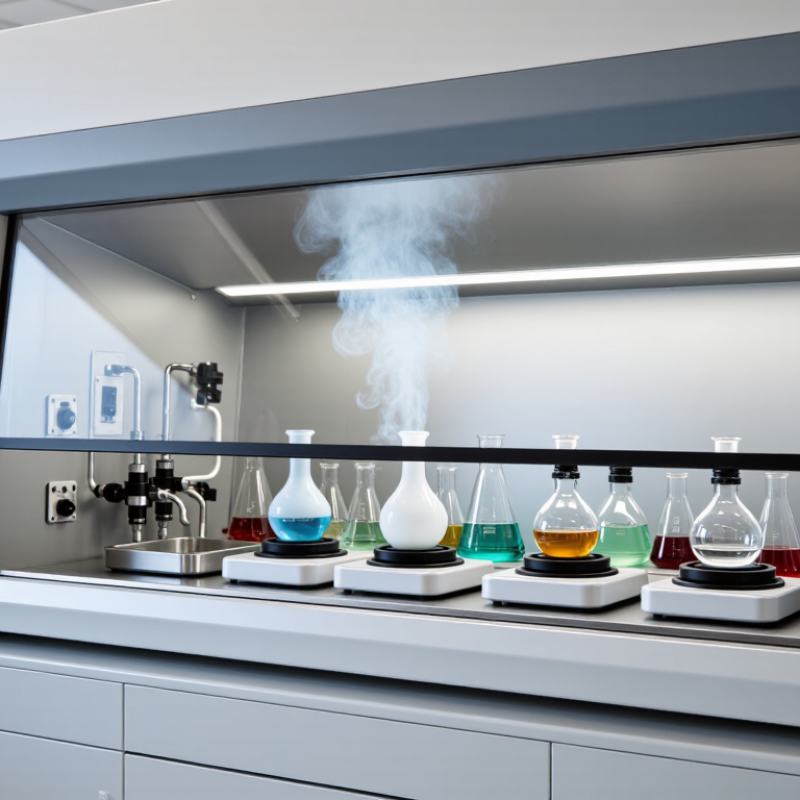
How to Choose an Acid Digestion Fume Hood?
Define the chemicals before choosing the hood. Nitric acid releases corrosive nitrogen oxides, while hydrochloric acid produces irritating hydrogen chloride vapors. Sulfuric acid adds severe corrosivity and intense heat during dilution. Hydrofluoric acid requires special material compatibility and emergency planning. NIOSH lists a 2 ppm ceiling limit for nitric acid and a 1 mg/m³ time-weighted average for sulfuric acid. These limits show why chemical identity matters.
Then define the process. Is the digestion open, heated, pressurized, or microwave-assisted? EPA Method 3051A describes closed-vessel microwave digestion, where heat and pressure can rise rapidly. A standard hood may not protect against vessel failure. Perchloric acid also needs a dedicated, washable system because reactive residues can accumulate in ductwork. Do not treat it as ordinary acid work.
Define the hazard path. Record acid volume, concentration, temperature, digestion time, vessel type, and expected vapor load. ANSI/AIHA Z9.5 emphasizes planned hood performance, airflow control, and verification. ASHRAE Standard 110 provides a recognized method for testing containment. Many laboratories target about 80–120 feet per minute face velocity, but speed alone proves little. Poor sash position can defeat good airflow. I have seen checklists focus on velocity while ignoring corrosion at the work surface. That is a useful warning. Select corrosion-resistant liners, suitable exhaust materials, visible airflow alarms, and enough interior depth for splash protection. Recheck performance after installation and whenever the process changes.
| Chemical or Process | Typical Use in Digestion | Primary Hazards | Vapor or Emission Concern | Hood and Material Requirements | Key Selection Considerations |
|---|---|---|---|---|---|
| Nitric acid (HNO₃) | Oxidative digestion of metals, soils, plant materials, and biological samples. | Strongly corrosive and oxidizing; can intensify combustion and react vigorously with organic materials or reducing agents. | Acid mist and nitrogen oxides, especially when heated or when the sample reacts rapidly. | Use corrosion-resistant wetted surfaces, suitable exhaust ducting, and a properly functioning sash and baffle system. Avoid combustible storage inside the hood. | Confirm the exhaust system can manage heated oxidizing acid vapors and that incompatible chemicals are segregated. |
| Hydrochloric acid (HCl) | Dissolution of metal salts, chlorination-related digestion steps, and preparation of acidic solutions. | Highly corrosive; can cause severe eye, skin, and respiratory injury. | Hydrogen chloride fumes and acid mist; fumes increase with heating and concentrated solutions. | Select acid-resistant liner, work surface, drain components, and exhaust materials. Keep away from bases, bleach, and oxidizers. | Evaluate plume capture at the intended sash opening and provide sufficient space for reaction vessels without blocking the rear baffles. |
| Sulfuric acid (H₂SO₄) | Dehydration, carbonization, and high-temperature digestion of difficult organic matrices. | Severely corrosive; dilution is strongly exothermic; concentrated acid reacts dangerously with water and many organic substances. | Acid mist and potentially irritating decomposition products when overheated or contaminated. | Use materials rated for concentrated sulfuric acid and the actual operating temperature. Provide spill containment and a heat-resistant work surface. | Check both chemical and temperature compatibility; do not rely on general-purpose plastic components without verification. |
| Hydrofluoric acid (HF) | Digestion or dissolution of silicates, glass-containing materials, and selected inorganic matrices. | Extremely hazardous by inhalation, skin contact, and ingestion; systemic fluoride toxicity may occur even when burns appear minor. | Hydrogen fluoride vapor and acid mist; emissions may increase during heating. | Use a hood, liner, sash, duct, and accessories specifically verified for HF service. Many glass and silica-containing materials are unsuitable. | A written HF emergency plan, trained personnel, appropriate first-aid supplies, and documented material compatibility are essential before use. |
| Perchloric acid (HClO₄) | Strong oxidative digestion and preparation of perchlorate-containing solutions. | Strong oxidizer; heated concentrated acid can create explosive perchlorate residues and may react violently with organic material. | Corrosive acid mist and oxidizing vapors; residue accumulation in the exhaust system is a critical concern. | Use a dedicated perchloric-acid hood with wash-down capability, compatible construction, and an exhaust system designed for this service. | Do not use a standard chemical hood for heated perchloric acid unless a qualified safety assessment explicitly permits the application. |
| Aqua regia HCl + HNO₃ mixture |
Dissolution of noble metals and resistant metallic samples. | Highly corrosive and strongly oxidizing; can generate pressure and toxic gases if sealed or stored. | Chlorine, nitrogen oxides, acid mist, and other reactive vapors, particularly during heating. | Use a corrosion-resistant hood with strong capture and adequate working depth. Keep vessels open to the hood atmosphere but never tightly sealed during active reaction. | Prepare only the required working quantity, use compatible secondary containment, and never store the mixture after preparation. |
| Phosphoric acid (H₃PO₄) | Acidification and digestion of selected samples where a less volatile mineral acid is suitable. | Corrosive, particularly at high concentration; heated solutions can cause severe burns. | Acid mist and heated aerosol; generally less volatile than hydrochloric or nitric acid. | Use corrosion-resistant surfaces and exhaust components appropriate for hot concentrated acid. | Consider the operating temperature, evaporation rate, and residue buildup when determining hood cleaning requirements. |
| Hot-plate or block digestion | Open-vessel heating of multiple samples using tubes, beakers, or digestion vessels. | Thermal burns, vessel breakage, splashing, runaway reactions, and increased vapor generation. | Continuous acid vapor and mist release during heating and evaporation. | Provide adequate internal depth, stable airflow, heat-resistant surfaces, spill containment, and enough clearance for the equipment. | Size the hood for the equipment footprint and vessel arrangement; avoid placing tall apparatus directly in front of exhaust slots. |
| Microwave digestion | Rapid digestion in specialized closed vessels under controlled temperature and pressure. | High internal pressure, vessel rupture, hot corrosive contents, and unexpected gas release during venting or opening. | Vapors released during vessel opening, cooling, venting, or an abnormal event. | Locate the instrument according to its installation instructions, provide suitable exhaust capture for vented vapors, and use only approved vessels and rotors. | The hood does not replace pressure-rated equipment, interlocks, vessel inspection, or an operating procedure for cooling and opening. |
| Sample matrix: organic or biological material | Destruction of organic matter before elemental analysis. | Rapid exothermic reactions, foaming, splashing, smoke, and combustion when strong oxidizers contact organics. | Organic decomposition products, acid mist, and nitrogen oxides when nitric acid is used. | Use a hood with reliable containment, clear viewing through the sash, adequate work depth, and enough space to separate active reactions. | Control sample mass, add reagents gradually, and use a documented method that addresses foaming and reaction-rate changes. |
| Sample matrix: silicate, glass, or mineral material | Dissolution of refractory inorganic material, often requiring HF or mixed-acid chemistry. | Corrosive exposure, toxic HF risk where applicable, splashing, and difficult-to-control reactions. | HF vapor, acid mist, and heated reaction vapors. | Verify that every exposed hood component is compatible with the selected acid system; do not assume glass construction is suitable. | Select the hood only after identifying the exact acid concentration, temperature, vessel type, and expected reaction products. |
List every acid, concentration, volume, and expected vapor. Nitric acid releases corrosive nitrogen oxides. Hydrochloric acid produces irritating vapors. Sulfuric acid creates intense heat during dilution. Hydrofluoric acid requires special material compatibility and emergency planning.
Record whether digestion is open, heated, pressurized, or microwave-assisted. Closed vessels can develop heat and pressure quickly. A standard hood may not protect against vessel failure. Treat each process separately.
Record acid volume, concentration, temperature, digestion time, vessel type, and vapor load. These details reveal the likely hazard path. Small differences matter.
Choose corrosion-resistant liners, work surfaces, baffles, ducts, and exhaust components. Select a smooth, replaceable work surface. Small droplets often collect near the rear baffle. A checklist can miss corrosion.
Many laboratories target about 80–120 feet per minute at the face. Speed alone proves little. Test containment with a recognized tracer-gas method. Poor sash position can defeat good airflow.
Avoid doors, busy walkways, ceiling supply diffusers, and strong air disturbances. Keep large equipment away from the sash opening. Test the hood after installation. Airflow changes.
Confirm duct corrosion resistance, exhaust discharge, make-up air, and possible scrubber requirements. Recirculation is usually unsuitable for corrosive vapors. Select the fan from the full acid load, not face velocity alone.
Request measured airflow data, sash-position limits, alarm checks, and containment results. Repeat testing with nearby equipment operating. Recheck performance after process changes. Do not trust the brochure alone.
Plan daily visual checks, periodic airflow verification, alarm inspections, and exhaust maintenance. Include energy, heating, cooling, repairs, calibration, and downtime. The calculation may still be imperfect. Keep every assumption visible and reviewable.
Choosing an Acid Digestion Fume Hood requires a careful assessment of the laboratory’s chemicals, digestion methods, temperatures, fumes, and potential hazards. Start by identifying the substances and processes involved, then determine the appropriate hood type, face velocity, airflow pattern, and containment performance. The hood should be constructed from materials that resist corrosion and heat, while also providing essential safety features such as proper lighting, accessible controls, spill protection, and airflow monitoring.
The hood’s dimensions should suit the equipment, workload, and available installation space without obstructing laboratory operations. Its exhaust system must be compatible with the building’s ventilation design and local requirements. Before purchase, verify relevant safety standards, maintenance access, filter or duct needs, noise levels, energy use, and long-term operating costs. A complete evaluation of performance, durability, ergonomics, installation, and lifecycle expenses will help ensure reliable protection and efficient daily operation.
