
Industry Insights & Technical Resources

Expert articles and technical knowledge on laboratory furniture, ESD workstations, and cleanroom design

Laboratory Design & Safety Standards

Guiding engineering and procurement teams with compliance, durability, and ergonomic insights

Cleanroom & Storage Best Practices

In-depth technical guides for specialized research and manufacturing environments

Industrial Workbench Engineering

Innovations and practical tips for ESD protection, heavy-duty workbenches, and ergonomic setups

0%

Polypropylene fume hoods serve laboratories that handle corrosive vapors and need surfaces suited to demanding chemical work. Their value is practical: a welded polypropylene liner, a well-balanced sash, and reliable exhaust can matter more than a polished brochure. No material is universal, though. Compatibility depends on the chemicals, concentrations, temperatures, and cleaning practices involved.

The market context is growing. Grand View Research’s 2024 Laboratory Equipment Market report valued the global market at about US$35.6 billion in 2023 and forecast continued expansion through 2030. That figure covers far more than fume hoods, so it should not be read as a hood-sales estimate. Still, it points to sustained investment in laboratory infrastructure. For buyers, ASHRAE Standard 110-2016 offers a recognized method for evaluating fume-hood containment performance. A product specification alone cannot replace testing under actual operating conditions.

This Top 10 Polypropylene Fume Hood Manufacturers Worldwide guide compares manufacturers by product range, construction details, customization, documented performance, and after-sales support. Look closely at duct connections, work-surface design, sash movement, and access to replacement parts. Ask how performance is tested and whether test results reflect your intended setup. Small details count. A hood that fits the room but lacks local service can become a costly compromise. Rankings also have limits: regional availability and chemical requirements can change which supplier is the right choice. These comparisons are a starting point, not a substitute for a site-specific review.
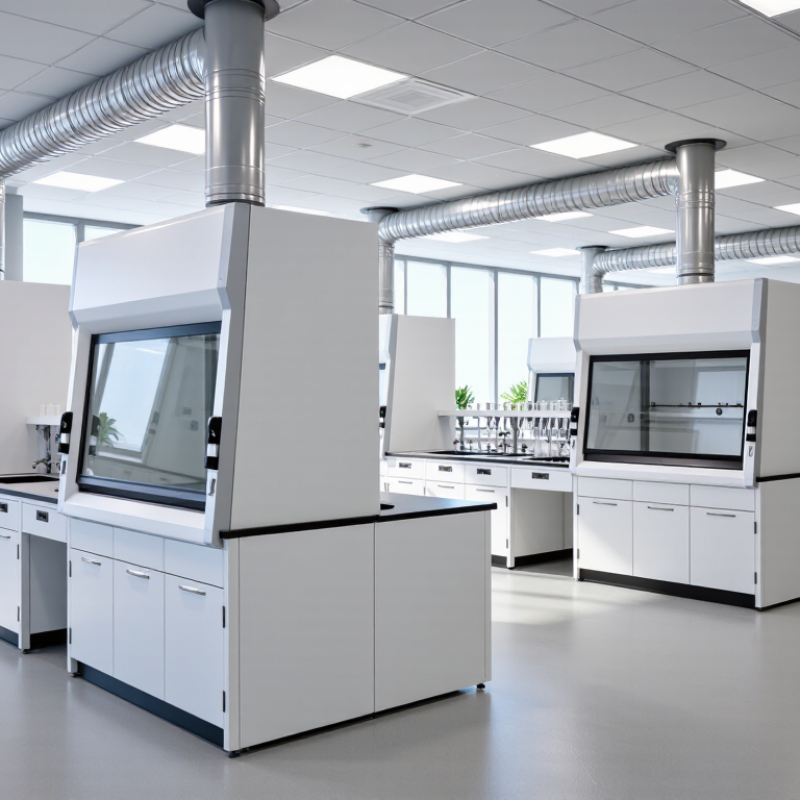
Top 10 Polypropylene Fume Hood Manufacturers Worldwide

Polypropylene Fume Hoods: Purpose, Design, and Laboratory Applications

Polypropylene fume hoods are designed to contain hazardous vapors and direct them into an exhaust system, not to store chemicals. Welded or heat-joined panels offer corrosion resistance for work involving certain acids and other corrosive substances. Unlike metal, polypropylene can soften or deform under heat, so hot plates and open flames need careful separation. That matters. The sash, baffles, and exhaust connection must work together to support reliable inward airflow. Room drafts, blocked baffles, or poor installation can undermine performance.

Tips: Keep containers well inside the sash, and avoid stacking items against rear baffles. Check airflow indicators before work, and arrange periodic testing through qualified ventilation personnel. Wipe spills promptly using procedures compatible with the hood material. Material resistance does not mean every chemical, concentration, or temperature is suitable.

These hoods may suit wet-chemistry tasks, sample preparation, and corrosive-vapor handling, depending on a risk assessment. They do not replace appropriate containment or protective equipment. Selection should account for chemical compatibility, sash opening, airflow, duct design, and service access. A specification sheet can look reassuring; actual room conditions still deserve a second look. Context matters.

Material Properties and Performance in Corrosive Environments

Top 10 Polypropylene Fume Hood Manufacturers Worldwide

Material Properties and Performance in Corrosive Environments

Polypropylene is valued for its resistance to many acids, alkalis, and salt solutions. This makes it a practical material for fume hoods used in demanding laboratory environments. Its performance still depends on chemical concentration, temperature, exposure time, and fabrication quality. Not every solvent is compatible. Strong oxidizing agents and some organic chemicals may cause damage, so compatibility should be checked against reliable material data before selection.

Unlike metal, polypropylene does not rust, but it can soften under heat and may deform under sustained loads. Welds and joints matter, too. Poorly finished seams can become weak points where corrosive vapors or spills collect. Hood material alone cannot ensure safe containment; airflow, sash position, duct design, and routine testing also affect performance. A common oversight is treating “chemical resistant” as a universal guarantee. It is not.

Tips: Check the exact chemicals, concentrations, and operating temperatures expected in the hood. Inspect welds, joints, and the work surface for wear or discoloration. Keep heat sources within the manufacturer’s specified limits, and verify airflow regularly. Small checks help, though they cannot replace a proper compatibility review.

Criteria for Assessing Manufacturers and Their Product Ranges

Assessing polypropylene fume hood manufacturers starts with the material, not the catalogue image. Ask for wall thickness, seam construction, and documented chemical compatibility. Polypropylene resists many corrosive substances, but it is not suitable for every chemical or temperature. Details matter. Inspect a sample: look at welded corners, smooth interior joints, and whether the sash moves evenly without sticking.

Compare the full product range, including hood widths, sash styles, work-surface options, and service connections. Confirm whether each model is ducted or uses filtration, and request clear limits for airflow and intended applications. A broad range is useful only when specifications are comparable.

No checklist is perfect. Manufacturers should provide test records, material data, installation guidance, and replacement-part information. Ask how production quality is checked between units, not just on a prototype. After-sales support also counts: a delayed sash component can leave a laboratory with limited capacity. I would verify claims against written documents and, where possible, speak with users of similar equipment. One point is easy to miss: custom dimensions may affect lead time, fit, or future servicing.

Profiles of Ten Polypropylene Fume Hood Manufacturers Worldwide

These ten profiles describe different polypropylene fume hood manufacturing approaches; they are not named companies.

A North American custom builder may tailor hood dimensions to existing laboratory benches.
A German engineering-focused producer may emphasize precise fabrication and repeatable assembly.
An Italian specialist may offer varied cabinet layouts for teaching and research spaces.
A British manufacturer may focus on straightforward maintenance access.
A Nordic supplier may prioritize compact designs for smaller laboratories.
A Japanese producer may emphasize consistent weld quality and careful finish inspection.
A South Korean manufacturer may combine modular construction with configurable storage.
An Indian fabricator may provide practical options for institutional projects.
A Chinese producer may support larger-volume orders and standard configurations.
An Australian supplier may adapt designs to local facility needs.

These are general profiles, not verified claims about individual firms. Buyers should compare material thickness, seam quality, sash operation, airflow compatibility, installation support, and documented testing. Ask for drawings and maintenance instructions before ordering.

Tips:

  • Inspect sample welds and cabinet joints.
  • Confirm that the hood suits the laboratory’s exhaust system.
  • Request clear specifications, not just sales descriptions.
  • Polypropylene resists many corrosive chemicals, but it is not suitable for every chemical or operating condition.
  • Verify compatibility with a qualified laboratory designer.

Comparing Safety Standards, Customization, and Service Support

When comparing polypropylene fume hood manufacturers, look beyond brochure claims. ANSI/ASHRAE Standard 110 provides a tracer-gas method for evaluating hood containment, but it does not by itself guarantee safe performance in every laboratory. Ask whether testing can be completed on the installed hood, under realistic sash positions and airflow conditions. Check the test report, not just a stated face velocity. Small details matter.

Customization should fit the actual work. Polypropylene can resist many corrosive chemicals, but compatibility depends on concentration, temperature, and exposure time. Request written compatibility guidance, welded-joint details, and clear limits for heat exposure. The U.S. Department of Energy’s Better Buildings program notes that laboratories can use five to ten times more energy per square foot than typical offices. That makes sash design, airflow controls, and commissioning relevant to both safety and operating costs. A lower purchase price may not tell the whole story.

Service support is another comparison point. Ask how quickly technicians respond, whether replacement parts remain available, and what routine inspections include. Good support should cover airflow alarms, sash movement, and post-installation performance checks. A polished quote is not proof. Some specifications still leave room for interpretation, so request measurable acceptance criteria before ordering. That takes time.

FAQS

Which chemicals can polypropylene fume hoods handle?

Polypropylene resists many acids, alkalis, and salt solutions. Compatibility depends on concentration, temperature, and exposure time. Not every solvent is suitable.

Can heat damage a polypropylene hood?

Yes. The material may soften or deform under heat or sustained loads. Check specified limits before placing heat sources nearby.

What should I inspect on a hood sample?

Look for smooth interior joints, sound welded corners, and an evenly moving sash. Details matter. Check for wear or discoloration, too.

Does chemical-resistant material guarantee safe containment?

No. Airflow, sash position, duct design, and routine testing also affect containment. Material choice is only one part.

What performance evidence should I request?

Ask for test records, airflow limits, and written acceptance criteria. If possible, review installed-hood testing under realistic conditions.

What should customization include?

Match the hood’s dimensions, sash style, work surface, and service connections to the actual tasks. Custom sizes may affect fit and lead time.

How can I compare ongoing service support?

Ask about technician response times, replacement-part availability, and inspection procedures. A delayed sash part could limit lab work.

Can hood design affect laboratory energy use?

Yes. Sash design and airflow controls can influence operating costs. A lower purchase price may not tell the whole story. I might still miss a detail.

Conclusion

This article explores the purpose and design of the Polypropylene Fume Hood, including its role in laboratories that handle corrosive materials. It explains how polypropylene’s material properties can support resistance to chemical corrosion, and discusses practical considerations such as construction, airflow, safety features, and suitability for different laboratory applications.

The guide also outlines key criteria for evaluating manufacturers and their product ranges, then presents profiles of ten manufacturers from around the world without focusing on brand promotion. It compares how available models may differ in customization options, safety provisions, and service support. Together, these topics provide a useful framework for understanding what to consider when selecting a polypropylene fume hood for a laboratory’s needs.

Isabella

Isabella

Isabella is a dedicated marketing professional with extensive expertise in her field, specializing in the promotion and strategic development of our company’s products. With a keen understanding of market dynamics, Isabella consistently delivers insightful and informative blog posts for our company......